
Dialysis access
“I need help with my journey through dialysis.”
Dialysis access is the connection, such as a fistula, graft, or catheter, that makes dialysis possible. If your kidneys fail, dialysis cleans and filters your blood until a successful kidney transplant. A reliable access makes it easier, safer, and more comfortable, and we tailor it to your needs.
What we treat
- If you are newly on dialysis
- If you will soon be on dialysis
- Problems with your dialysis fistula or graft
- Central vein blockages leading to chest or arm swelling
- Problems with your peritoneal dialysis catheter
- Dialysis associated steal syndrome
How we help
- AV fistula and graft creation or revision
- Peritoneal dialysis catheter placement or revision
- Angioplasty or unclogging of your dialysis access
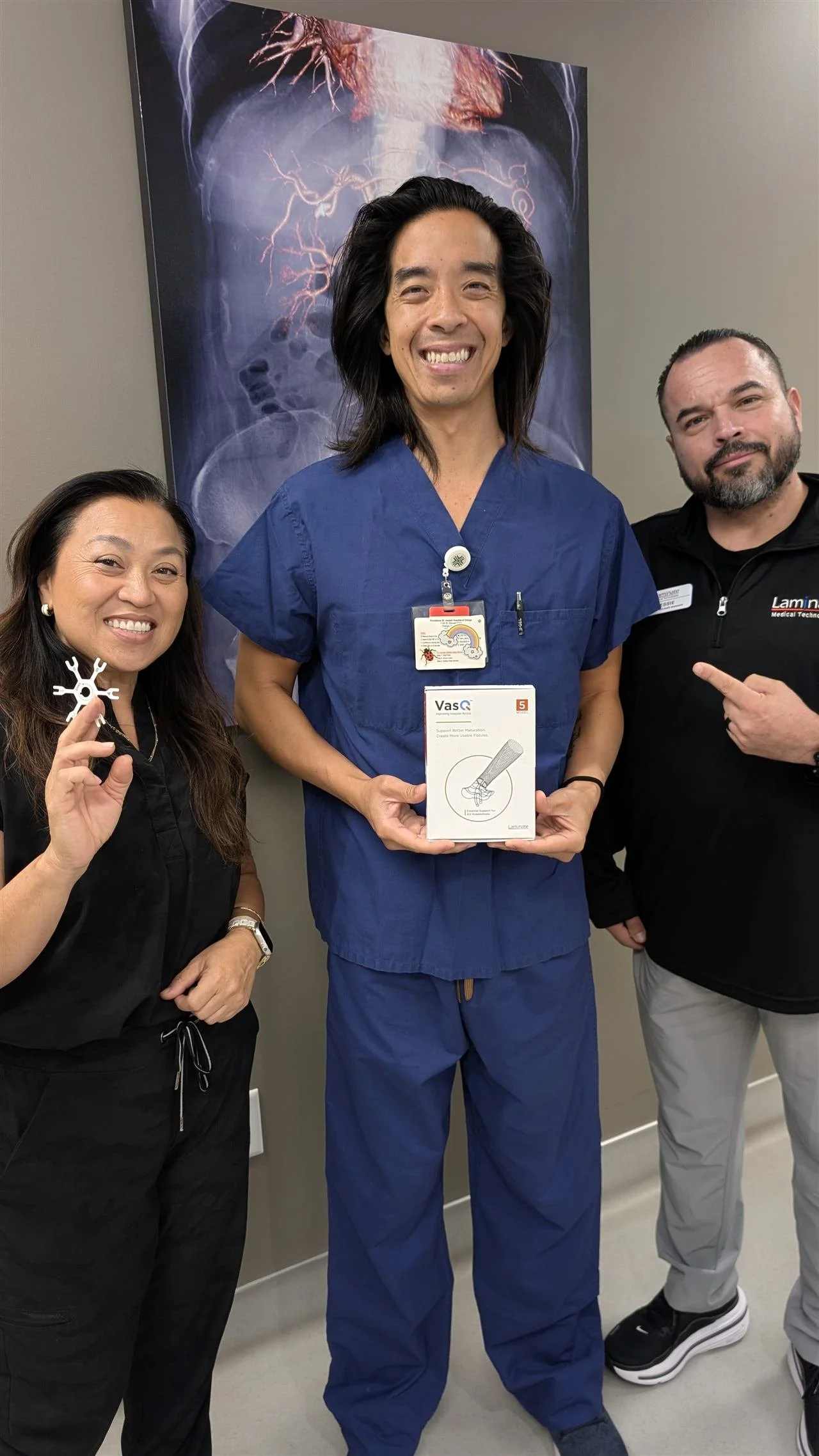
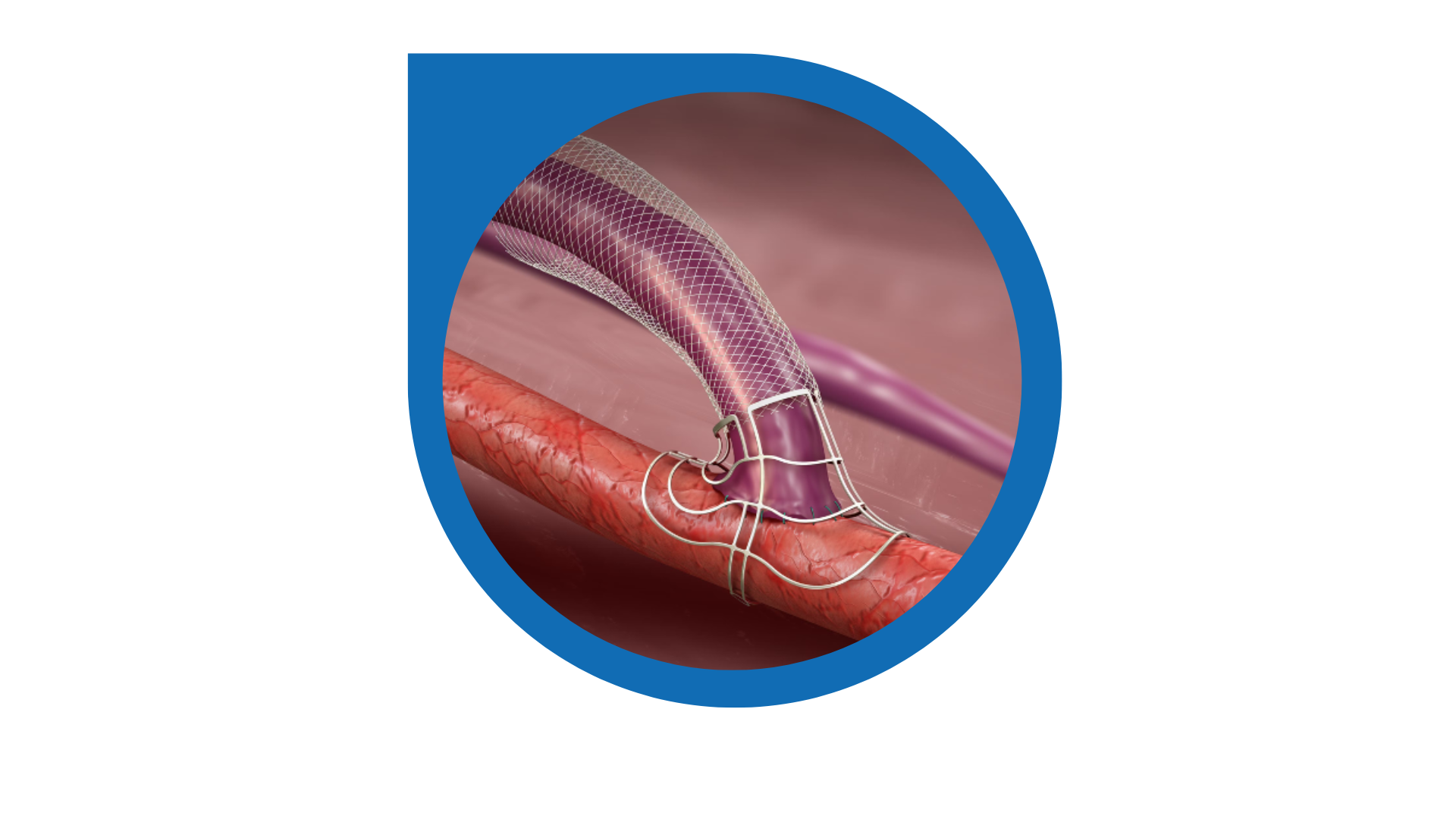
- Placement of the VasQ™ fistula support device when appropriate
Common questions
What is the difference between a fistula, a graft, and a catheter for hemodialysis?
A fistula connects an artery directly to a vein, usually in the arm, and often lasts the longest. A graft uses a soft tube to make that connection. A dialysis catheter is a tube on the outside of your body that is placed in a large vein, usually for short-term use because it has a higher infection risk.
When should I see a surgeon about dialysis access?
See a surgeon well before you expect to start dialysis, ideally as soon as your kidney doctor brings it up. A fistula needs time to heal and grow stronger before it can be used. Planning early can help you avoid starting dialysis with a catheter.
How long does a fistula take to be ready?
A fistula often needs about 2 to 3 months to mature, and sometimes longer. Some need a small second procedure before they can be used. A graft can often be used within weeks, sometimes even right away under the right conditions. Your surgeon and dialysis team will check when yours is ready.
How do I take care of my fistula or graft?
Feel for the buzzing, called a thrill, every day. Keep the arm clean. Avoid blood pressure cuffs, needle sticks, tight clothing, heavy lifting, and sleeping on that arm.
What are the signs of a problem with my dialysis access?
Call us the same day if the thrill is gone or changes. Also call for swelling of the arm, chest, or face, long bleeding after dialysis, or a cold, painful, or numb hand. Fever or redness can mean infection. For heavy bleeding, press firmly and call 911.
What is the VasQ device?
VasQ is a small external support placed around the vein when a fistula is created. It is designed to help fistulas work better and last longer. It isn’t right for everyone, so your surgeon will tell you whether you are a candidate.
Medical content reviewed by Xuan-Binh (Ben) Pham, M.D., vascular surgeon. Last reviewed November 2026.
Talk with a vascular surgeon
Call our office, or send a request and we’ll call you back to schedule.
Other conditions we treat
- Peripheral artery disease“I want to walk without pain.”
- Varicose veins & venous disease“I want to get rid of my painful varicose veins.”
- Carotid disease & stroke prevention“I want to lower my risk of having a stroke.”
- Aortic aneurysm & dissection“I need an expert aortic surgeon.”
- Wound care & limb salvage“I have a wound that won’t heal.”
- Thoracic outlet syndrome“I have numbness and pain and tingling in my shoulders and arms.”
- Kidney, intestinal & other arteriesLess common problems, including those seen in athletes