
Wound care & limb salvage
“I have a wound that won’t heal.”
A sore on the foot or leg that won’t heal is often a sign of poor circulation. We find the cause, restore blood flow, and care for the wound to save the limb and prevent amputation.
What we treat
- Diabetic foot ulcers
- Arterial and venous ulcers
- Gangrene and tissue loss
- Slow-healing surgical wounds
How we help
- Circulation testing in our vascular lab
- Restoring blood flow to the wound
- Wound care in our office
- Working with your podiatrist and care team
Common questions
Why won’t the wound on my foot or leg heal?
Common causes are poor circulation, diabetes, damaged leg veins, infection, and repeated pressure on the same spot. Often more than one is involved. A wound can’t heal well without enough blood flow, so checking your circulation is an important early step.
When should I see a vascular surgeon for a wound?
See one if a foot or leg wound isn’t clearly improving, or if you have diabetes or known poor circulation. Get care the same day for spreading redness, pus, or fever. These can mean a serious infection or tissue loss.
How do you check circulation to a wound?
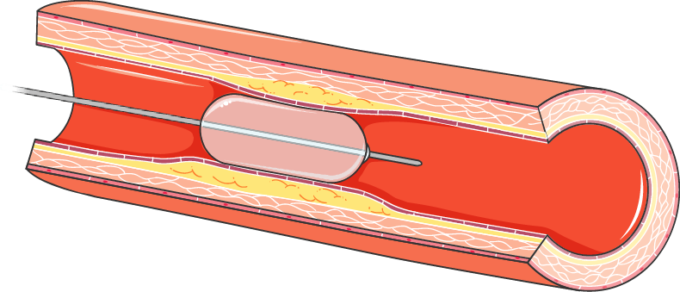
We start with an exam and vascular lab tests, such as ankle and toe pressures and ultrasound. If a blockage is found, an angiogram can show the arteries in more detail and sometimes treat them during the same procedure.
Can an amputation be prevented?
Often, yes, though not always. Restoring blood flow, treating infection, and taking pressure off the wound can give the limb the best chance to heal. If you have been told you may need an amputation, ask whether your circulation has been checked by a vascular specialist.
What is the difference between arterial and venous ulcers?
Arterial ulcers come from too little blood reaching the tissue. They often form on the toes or feet and can be very painful. Venous ulcers come from high pressure in the leg veins. They usually form near the ankle, with swelling and skin changes. Treatment differs, so finding the cause matters.
How can people with diabetes protect their feet?
Check your feet every day, including between your toes, and use a mirror if needed. Wear well-fitting shoes, avoid going barefoot, and keep your blood sugar under control. See your podiatrist regularly, and report any new sore right away, even if it doesn’t hurt.
Medical content reviewed by Xuan-Binh (Ben) Pham, M.D., vascular surgeon. Last reviewed November 2026.
Talk with a vascular surgeon
Call our office, or send a request and we’ll call you back to schedule.
Other conditions we treat
- Peripheral artery disease“I want to walk without pain.”
- Varicose veins & venous disease“I want to get rid of my painful varicose veins.”
- Carotid disease & stroke prevention“I want to lower my risk of having a stroke.”
- Aortic aneurysm & dissection“I need an expert aortic surgeon.”
- Dialysis access“I need help with my journey through dialysis.”
- Thoracic outlet syndrome“I have numbness and pain and tingling in my shoulders and arms.”
- Kidney, intestinal & other arteriesLess common problems, including those seen in athletes