
Kidney, intestinal & other arteries
Blockages in the arteries to the kidneys or intestines can cause high blood pressure, kidney failure, or severe pain after eating. We also treat less common problems, including those seen in high-performance athletes.
Organ arteries
- Kidney artery narrowing
- Mesenteric ischemia
- Visceral artery aneurysms
In athletes
- Popliteal artery entrapment
- Iliac artery endofibrosis
- Chronic compartment syndrome
Common questions
What are the signs of a narrowed kidney artery?
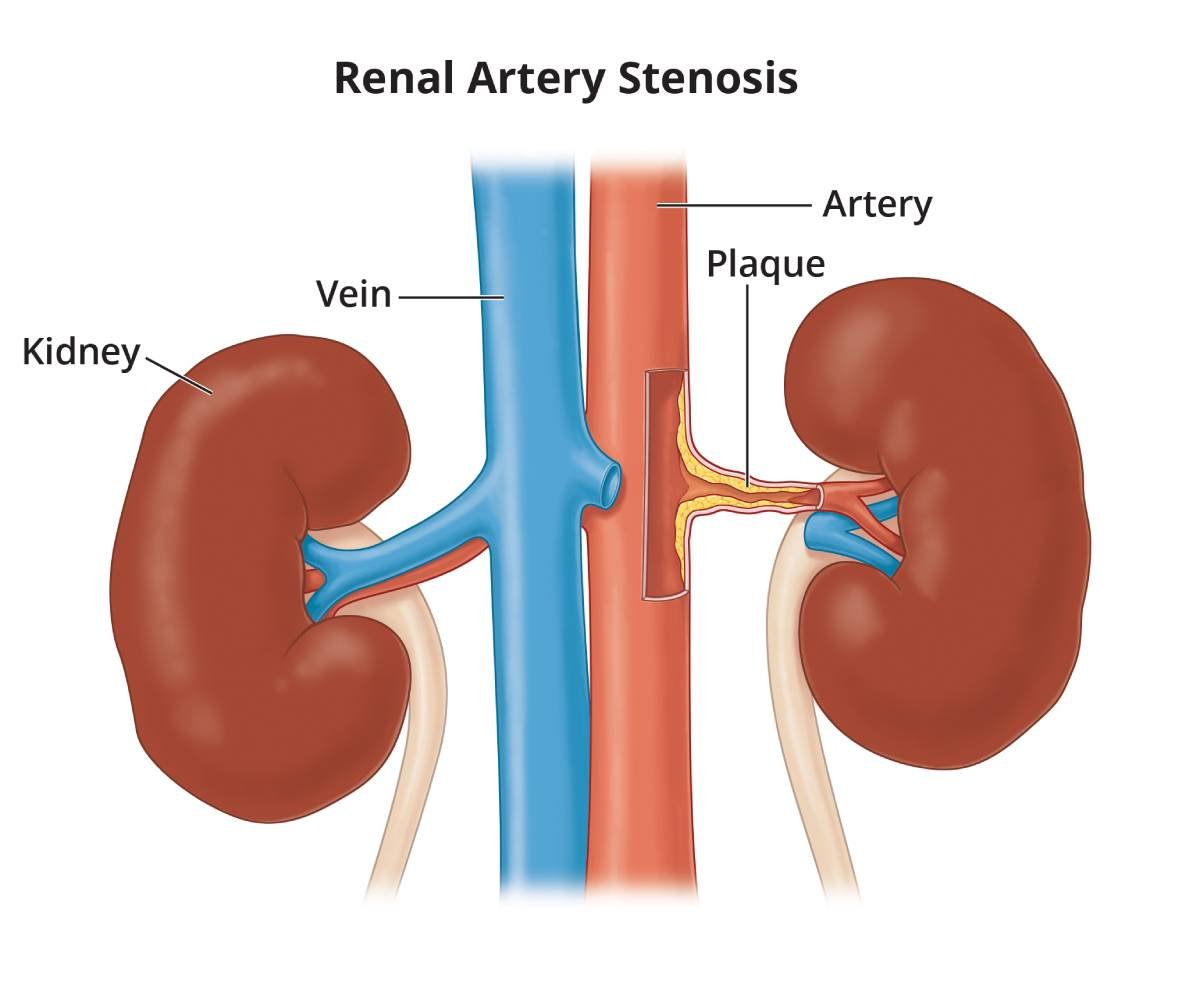
Narrowed kidney arteries, called renal artery stenosis, may cause no symptoms. Possible signs include high blood pressure that is hard to control, declining kidney function, or sudden fluid in the lungs. An ultrasound or CT scan can check the arteries.
Does a narrowed kidney artery need a stent?
Not always. Many people do well with blood pressure medicine, cholesterol treatment, and regular monitoring. A stent or surgery may be considered when blood pressure stays hard to control, kidney function is falling, or fluid builds up in the lungs despite treatment.
Why does my stomach hurt after eating, and could it be my arteries?
Pain 15 to 60 minutes after eating, fear of eating, and weight loss can be signs of chronic mesenteric ischemia. This means narrowed arteries aren’t delivering enough blood to the intestines. Many other conditions cause belly pain, so testing is needed to figure out the cause. Sudden, severe belly pain needs emergency care so please call 911 if you experience sudden severe belly pain.
What is a visceral artery aneurysm?
A visceral artery aneurysm is a bulge in an artery that supplies an organ in the belly, such as the spleen, liver, or kidney. Many are found during a scan for something else. Depending on its size, location, and your health, it can be watched or repaired.
Why do I get calf or thigh pain only during hard exercise?
In young, active people, this can come from popliteal artery entrapment, iliac artery endofibrosis, or chronic compartment syndrome. Pain usually builds with exertion and fades with rest. Standard tests at rest can look normal, so testing during or after exercise may be needed.
Medical content reviewed by Xuan-Binh (Ben) Pham, M.D., vascular surgeon. Last reviewed November 2026.
Talk with a vascular surgeon
Call our office, or send a request and we’ll call you back to schedule.
Other conditions we treat
- Peripheral artery disease“I want to walk without pain.”
- Varicose veins & venous disease“I want to get rid of my painful varicose veins.”
- Carotid disease & stroke prevention“I want to lower my risk of having a stroke.”
- Aortic aneurysm & dissection“I need an expert aortic surgeon.”
- Dialysis access“I need help with my journey through dialysis.”
- Wound care & limb salvage“I have a wound that won’t heal.”
- Thoracic outlet syndrome“I have numbness and pain and tingling in my shoulders and arms.”